
Salome
1953
 Official trailer
1953

2022

2009
 French
2022

2005

2014

2002
 French
2024

2001
 French
1971

2020
 French
2020
1972

2012

2015

2013

1984

2003
Cécile de France
Madame de La Pommeraye

Édouard Baer
Marquis des Arcis

Laure Calamy
Lucienne, Madame's friend

Alice Isaaz
Mademoiselle de Joncquières

Natalia Dontcheva
Madame de Joncquières

Manon Kneusé
Courtesan

Arnaud Dupont
Henchman of the Marquise

Emilie Aubertot
Marquis's domestic

Alban Casterman
Marquis's valet No. 1

CinemaSerf
Sep 23, 2026
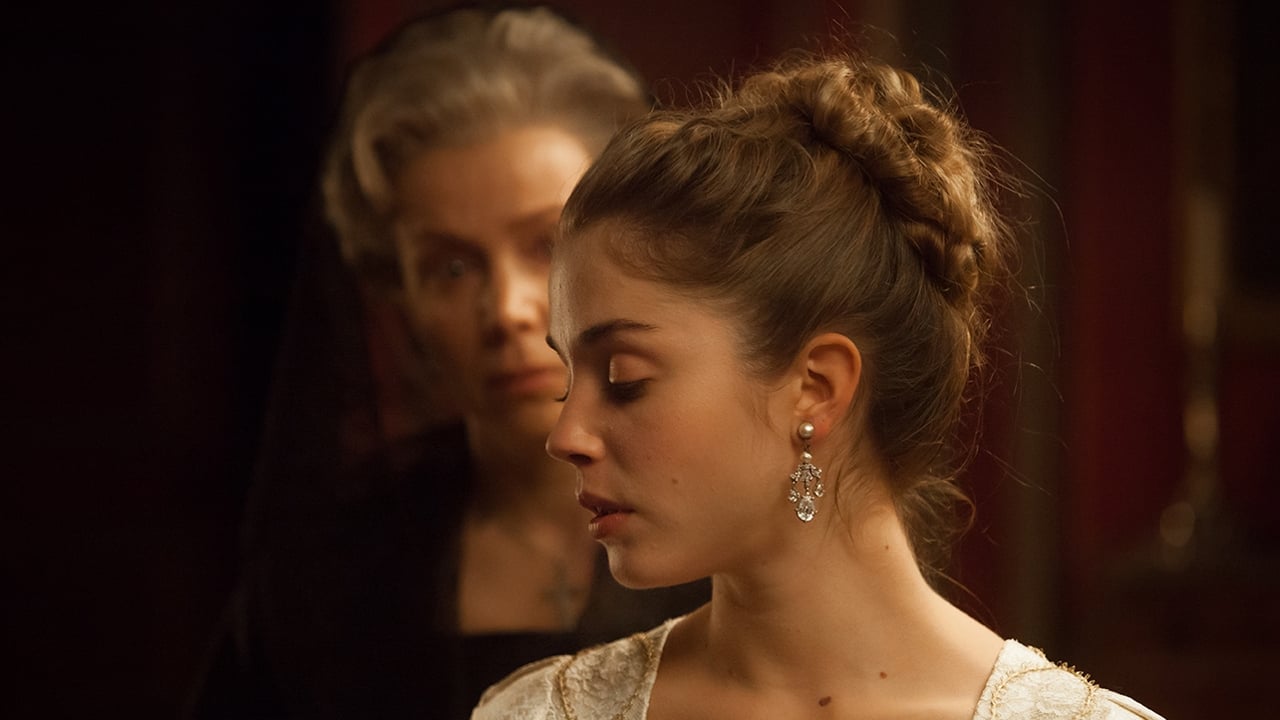
"Mme. de la Pommeraye" (Cécile de France) is a wealthy widow enamoured of the supposedly rakish "Marquis des Arcis" (Édouard Baer). For a while they are close confidantes, friends, lovers even - but then she somewhat tortuously declares to him that the blushes of passion have faded and that she is no longer in love. Clang! Guess what? He is ever so grateful for her honesty because he feels exactly the same. Perhaps it is best that they just go back to being friends? Hmmm. Well that didn't exactly go to plan for the marquise, but luckily the instruments of her revenge might be at hand. Walking together in the King's Gardens, she encounters "Mme. Joncquières" (Natalia Dontcheva) who is sitting on a bench with her young daughter (Alice Isaaz). She is of noble birth - but sadly on the wrong side of the blanket, and when her faux-marriage to a rogue Duc left her bereft of status, funds and supporting her young daughter she took to the oldest profession to make ends meet. How about, thinks the marquise, she sets up her former beau with the young girl - only she will leave out some of the more salacious aspects of her provenence? The shame! What now ensues has shades of "Liaisons Dangereauses" to it, only in reverse as just about nobody is read into the cunning plan. The suitably loved-up man dutifully obliges offering the women an income, an home and even, eventually, marriage - but who is going to end up happy? Is anyone? Stylistically, this is a sumptuous drama that shows off the costumier's art to the full whilst taking us on a tour of some of Paris's grand architecture. My problem with the story was that I couldn't help but feel sorry for "des Acris", indeed for just about everyone except the marquise - and when there's a villain in the piece, I like to feel at least some affinity with them - even if I shouldn't. Here, though, there's all that stuff about a woman scorned, but the victims of that scorn would appear to be other innocent - women. He's fabulously wealthy and whatever happens can probably live down any embarrassment just by going to his country estate. There is really only one way it can end, which is fair but a little underwhelming and by that conclusion I felt this could have been a bit more nasty, scheming and cruel if only a little more time had been spent crafting some darker characterisations and perhaps not having so many butter-wouldn't-melt roles for us to find hard to dislike or mistrust. Sadly, it's more of a soap with wigs.